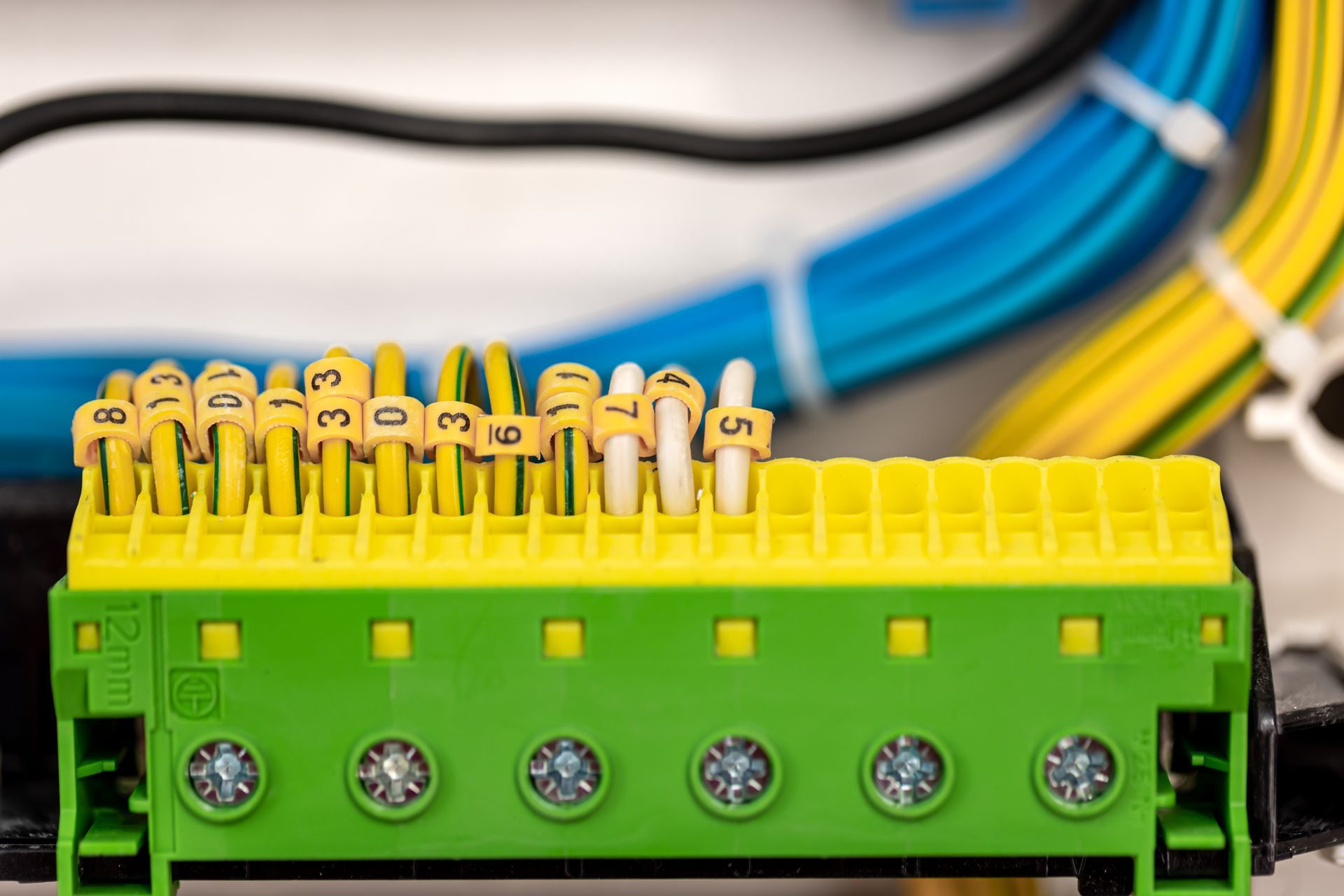
NEXT-GEN AUTOMOTIVE INTERCONNECTS FOR EV BATTERY MANAGEMENT SYSTEMS
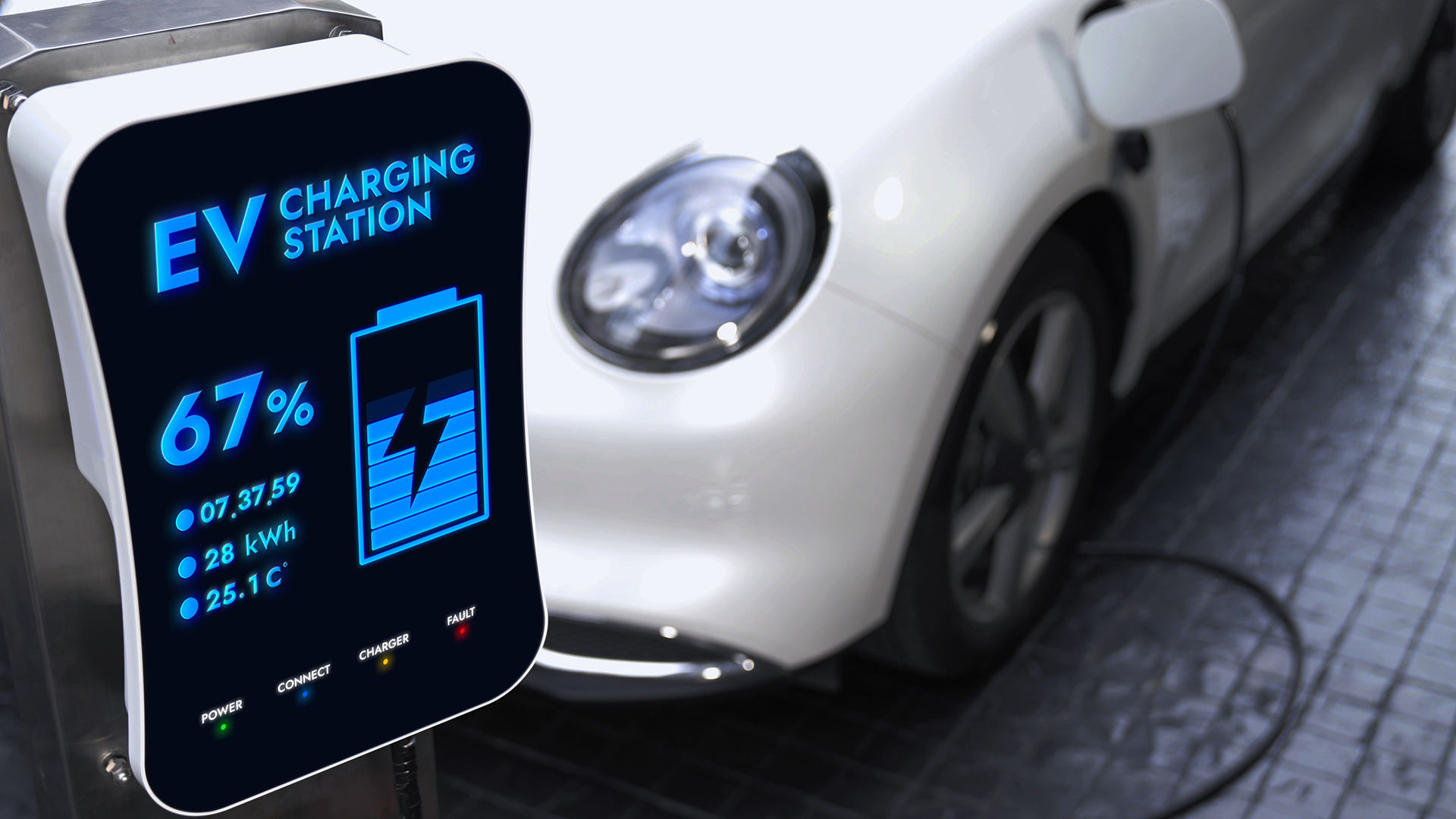
As the global electric vehicle (EV) market accelerates, battery management systems (BMS) are becoming the cornerstone of safe, reliable, and high-performance automotive platforms. EV battery systems rely heavily on precise power and signal interconnects to manage everything from voltage balancing to thermal monitoring. At the center of this evolving architecture are next-generation interconnect solutions designed for the demands of high-voltage, high-speed data, and compact EV platforms.
Meritec engineers rugged, high-reliability automotive interconnects tailored for electric vehicle battery systems, combining robust shielding, compact form factors, and EMI-hardened performance to deliver unmatched reliability in high-voltage environments. This blog explores the challenges of interconnecting BMS subsystems, how next-gen cable assemblies solve those challenges, and key design considerations for optimizing both power distribution and data integrity.
The Role of Interconnects in BMS Architecture
Battery management systems are responsible for monitoring and regulating battery health, safety, and performance. As EV batteries scale in capacity and complexity, the amount of internal communication and power routing increases proportionally. Signal connectors must facilitate accurate transmission between temperature sensors, current measurement units, state-of-charge modules, and main ECUs. Power connectors must safely handle high current loads across densely packed modules.
In a typical BMS, the interconnect system must:
- Transmit high-speed data with minimal delay between modules
- Handle power transfer in high-voltage environments
- Withstand vibration, temperature fluctuations, and EMI
- Maintain signal integrity across shielded paths
- Support compact, modular integration
Meritec’s interconnect systems provide the electrical performance, shielding, and rugged mechanical construction needed to ensure consistent operation in these mission-critical environments.
Key Challenges in EV Battery Cable Design
Developing cable assemblies for EV battery management systems requires engineering for both electrical and environmental demands. Voltage levels of up to 800V, rapidly changing currents, and space-constrained compartments introduce risks of arcing, overheating, or signal degradation.
Major challenges include:
- Thermal stress: BMS components generate heat; cable assemblies must resist thermal cycling.
- EMI/EMC compliance: High-frequency switching and adjacent components create signal interference.
- Connector miniaturization: EV designs demand reduced size and weight without compromising performance.
- Mechanical stability: Vibration and road shock call for strain reliefs and locking mechanisms.
- Dielectric strength: Insulation must hold up against high-voltage operation without breakdown.
Meritec addresses these challenges with tested insulation materials, advanced overmolding techniques, and robust shielding technologies.
Material Selection for BMS Interconnects
The performance of an interconnect system is heavily influenced by the materials used in both conductors and insulators. In battery management applications, where temperature and voltage extremes are common, careful material specification is essential.
- Conductors: High-strand-count copper or plated copper offers the flexibility and conductivity required for signal and power applications.
- Insulators: Materials such as XLPE, PTFE, or silicone are selected for their dielectric strength and thermal endurance.
- Shielding: Multi-layer foil and braid configurations provide effective EMI protection while maintaining flexibility.
- Overmolds and Jackets: Thermoplastics or elastomers like TPE ensure environmental sealing and vibration resistance.
These materials are chosen based on their ability to meet automotive testing standards such as LV 214, ISO 16750, and USCAR.
Table: Material Properties for EV BMS Interconnects
| Component | Recommended Material | Performance Traits |
|---|---|---|
| Conductor | Tinned Copper | Corrosion resistant, flexible |
| Insulation | XLPE / PTFE | High dielectric strength, thermal resistance |
| Shielding | Foil + Braid | EMI suppression, mechanical durability |
| Jacket / Overmold | TPE / TPU | Abrasion resistant, fluid resistant |
Connector Design Priorities
Modern EV platforms favor modular architectures that allow battery packs, control units, and cooling systems to be serviced or replaced independently. Interconnect solutions must support this modularity without sacrificing mechanical stability or performance.
Key priorities in connector design include:
- Low mating force: Ensures connectors can be engaged without excess stress.
- Polarization and coding: Prevents incorrect connections.
- Secondary locking features: Enhances vibration resistance.
- Sealing gaskets: Provides environmental protection (IP67+).
- EMI backshells: Supports shielding continuity across interfaces.
Meritec offers a portfolio of shielded, compact connectors optimized for BMS harnesses that maintain signal integrity even under high-vibration, high-noise operating conditions.
Data Transmission Requirements in EV BMS Systems
BMS modules communicate with one another and with the central ECU via high-speed digital interfaces. CAN, LIN, and increasingly Ethernet-based protocols require connectors and cable assemblies capable of minimizing crosstalk, delay, and signal loss.
Interconnect design must support:
- Controlled impedance for high-frequency protocols
- Twisted pair layout for differential signals
- Crosstalk suppression via shielding and conductor spacing
- Low reflection and insertion loss across mated connectors
Meritec’s precision-engineered BMS cable assemblies are tested to verify signal fidelity under automotive environmental conditions, including temperature cycling, vibration, and salt spray exposure.
Safety and Compliance Standards
Automotive interconnect systems are subject to strict safety and compliance standards, especially when handling high-voltage systems. EV battery interconnects must comply with global standards to ensure compatibility, reliability, and safety.
Relevant standards include: ISO 26262:
- Functional safety for automotive systems
- LV 214 / USCAR-2: Performance requirements for connectors
- ISO 16750: Environmental testing for electrical equipment
- IEC 60664: Insulation coordination for voltages over 30V
Compliance ensures that interconnects can operate without degradation throughout the expected lifespan of the vehicle, even in aggressive thermal, mechanical, and chemical environments.
System Integration and Cable Management
Effective cable management is essential for BMS systems that often sit in compact battery trays or undercarriage compartments. Hybrid assemblies that combine signal and power lines reduce the number of harnesses, simplify routing, and decrease weight.
Integration benefits include:
- Simplified serviceability with modular harness designs
- Reduced EMI pathways through common shielding strategies
- Minimized connector count and harness complexity
- Better thermal dissipation via compact, low-profile assemblies
Meritec’s vertically integrated design and manufacturing processes allow for custom-fit solutions that integrate seamlessly into existing EV platform geometries.
FAQs: Next-Gen Interconnects for EV Battery Management
What makes an interconnect system suitable for EV battery management?
The system must handle high voltages, support high-speed communication, resist EMI, and remain reliable in harsh automotive environments.
Can Meritec provide custom interconnects for specific EV platforms?
Yes. Meritec designs application-specific interconnects tailored to unique BMS requirements, including shielding, pin count, and form factor.
How do Meritec assemblies ensure EMI suppression in BMS applications?
Through multi-layer shielding, optimized conductor layout, and integrated EMI gaskets, Meritec assemblies maintain signal integrity even in high-noise zones.
Are Meritec cable assemblies tested for automotive durability standards?
Yes. All assemblies are tested to automotive standards including ISO, USCAR, and LV 214 protocols for temperature, vibration, and sealing.
Do hybrid cables improve BMS performance?
They simplify routing, reduce weight, and minimize connector points, improving both performance and reliability.
Partner With Meritec for Advanced EV Interconnect Solutions
As EV platforms continue to evolve, so must the interconnects that support them.
Meritec’s next-gen automotive cable assemblies are engineered to deliver unmatched performance in the high-voltage, data-intensive environments of modern battery management systems. By combining application-specific design, rigorous testing, and material innovation, Meritec enables electric vehicle manufacturers to optimize system safety, scalability, and efficiency.