SHEATHED VS UN-SHEATHED CABLE ASSEMBLIES: PROS AND CONS
Introduction: Choosing the Right Cable Assembly for the Application
Cable assemblies are the arteries of modern electronic systems, carrying power and data through environments that range from pristine laboratories to combat zones and industrial plants. One of the key design decisions engineers face early in system development is whether to use sheathed or un-sheathed cable assemblies.
The choice between these two styles can impact flexibility, weight, durability, EMI shielding, environmental resistance, and cost. It also affects how the cable assembly performs in its operating environment and how well it integrates into the system as a whole.
At Meritec, we help engineers and system designers select the best cable assembly configuration for their specific needs. Whether for high-speed data transmission, rugged military applications, or flexible robotics systems, understanding the trade-offs between sheathed and un-sheathed cables is essential.
In this blog, we’ll examine the differences, advantages, and limitations of each option so you can make an informed decision for your project.
What Defines Sheathed and Un-sheathed Cable Assemblies?
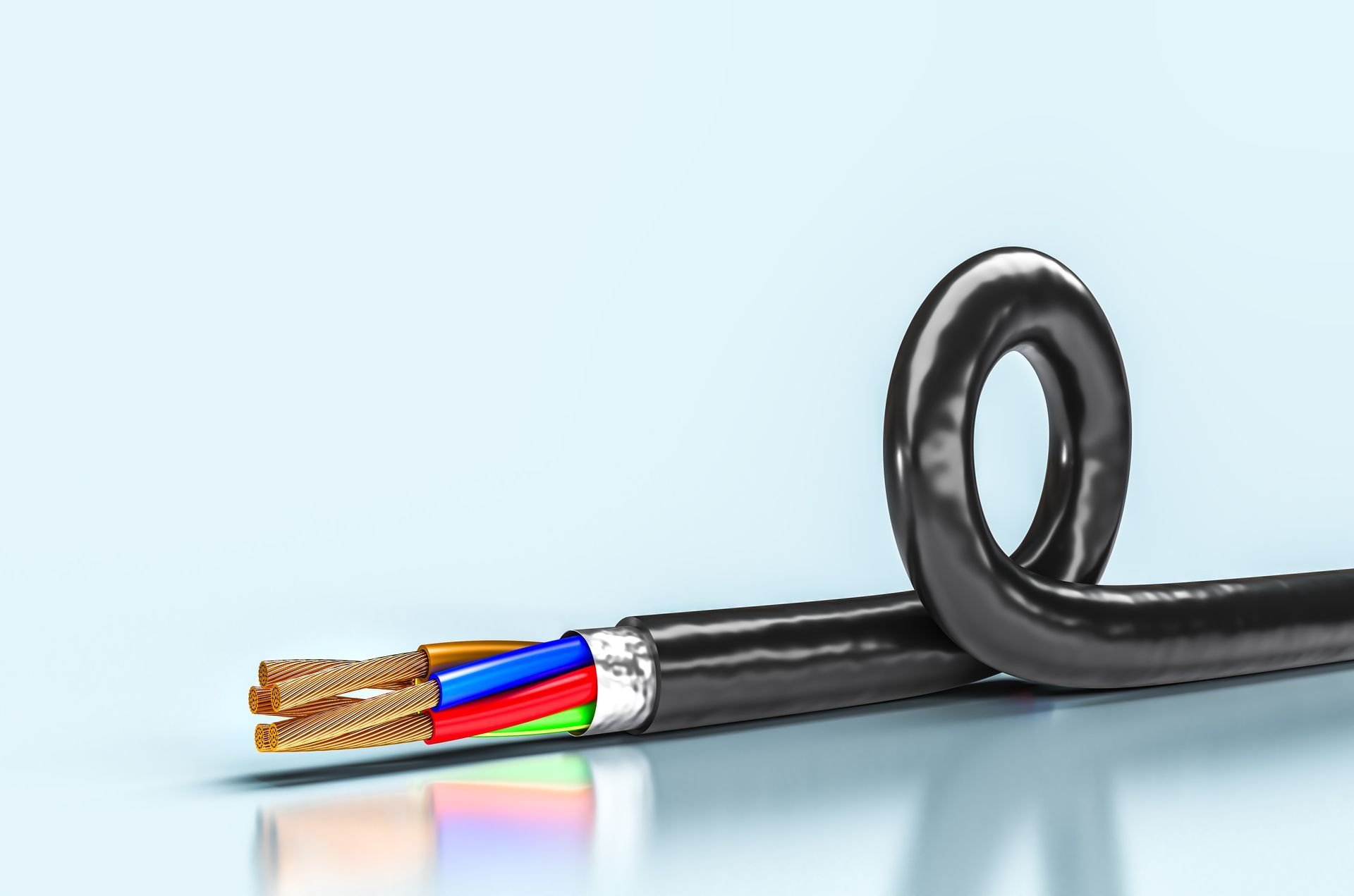
In basic terms, a sheathed cable assembly includes an outer protective jacket that encases the cable core. This sheath may provide physical protection, environmental sealing, abrasion resistance, and sometimes an aesthetic finish. Materials for sheaths vary, with common options including PVC, polyurethane, PTFE, and rugged thermoplastic elastomers.
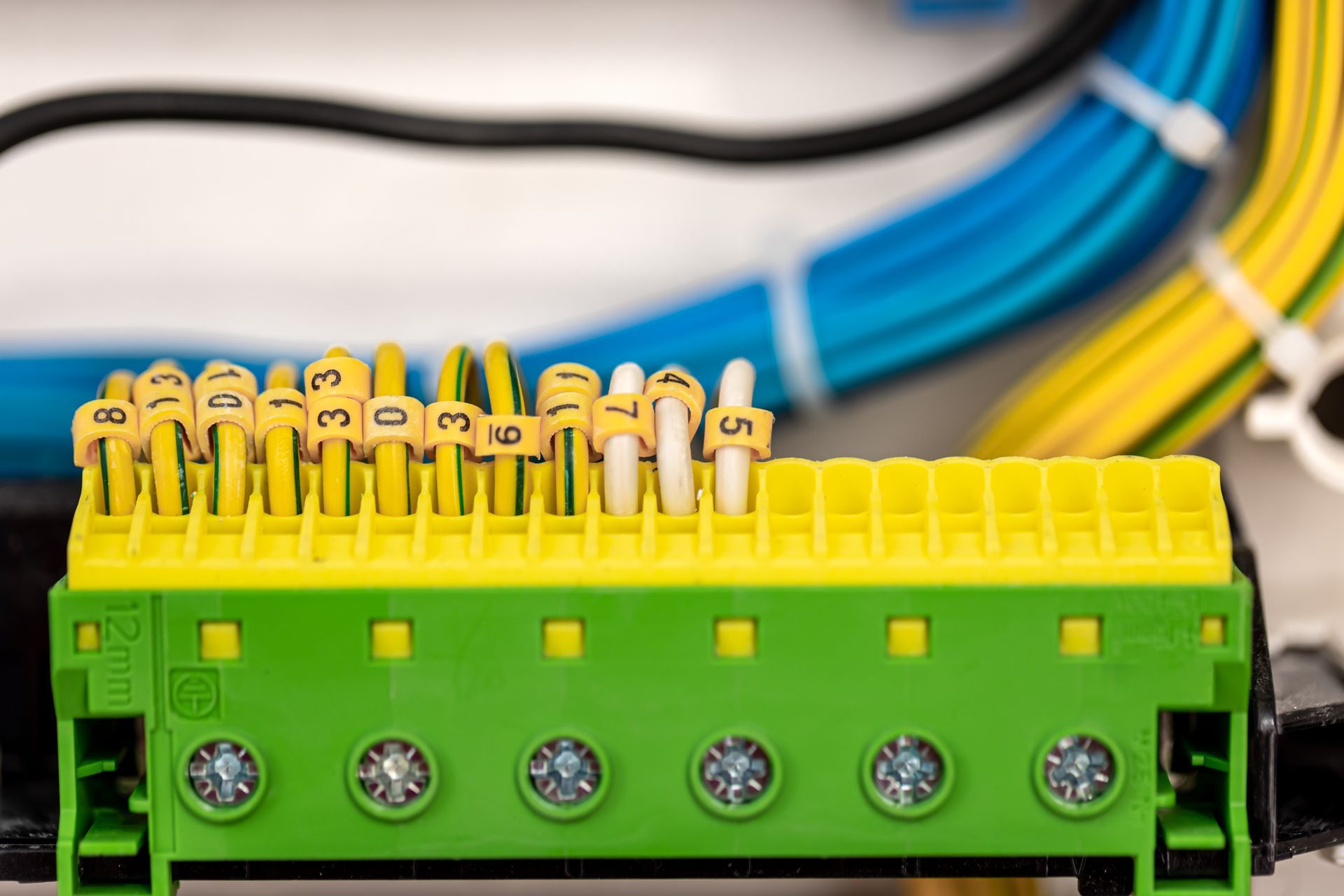
An un-sheathed cable assembly exposes the inner cable components or individual wires directly, often relying on routing within a controlled environment such as an internal enclosure or conduit. These assemblies prioritize flexibility, weight savings, or ease of service in systems where external protection is provided by other means.
Both types of assemblies are widely used in advanced electronics, and both can be engineered to deliver excellent performance when properly applied.
Comparing Key Characteristics
To illustrate how these options perform in different areas, here is a summary comparison:
| Characteristic | Sheathed Cable Assembly | Un-sheathed Cable Assembly |
|---|---|---|
| Physical Protection | High (abrasion, cut, impact) | Low (depends on routing) |
| Environmental Sealing | Good to excellent (IP-rated) | Minimal without additional sealing |
| EMI/RFI Shielding | Improved with conductive sheaths | Depends on internal shielding |
| Flexibility | Moderate to low (stiffness varies) | High (more flexible) |
| Space Efficiency | Slightly larger outer diameter | Slim profile, better in tight spaces |
| Weight | Heavier | Lighter |
| Serviceability | More difficult to rework/repair | Easier to access, modify, or replace |
| Aesthetic Appearance | Professional, uniform look | Exposed, requires managed routing |
| Typical Applications | Rugged outdoor/industrial/military | Controlled environments, robotics, test equipment |
Advantages of Sheathed Cable Assemblies
The main advantage of sheathed assemblies lies in their superior protection and durability. The sheath forms the first line of defense against mechanical damage, chemical exposure, and environmental ingress.
In military, aerospace, marine, and outdoor industrial applications, sheathed cables prevent wear from vibration and routing through metal structures or sharp edges. They also support sealing to IP67 or higher, allowing use in wet, dusty, or corrosive conditions.
For EMI performance, a conductive sheath (such as foil-backed polyurethane) can add another layer of shielding, helping to suppress radiated emissions and prevent ingress of external noise.
In systems where the cable may be exposed to users or must meet aesthetic requirements such as medical devices or visible avionics the sheath delivers a clean, professional appearance.
Limitations of Sheathed Assemblies
The main trade-offs with sheathed cables are flexibility and weight. The outer jacket adds thickness and stiffness, which may be a concern in robotic arms, gimbals, or wearable electronics that require constant movement.
Serviceability is another consideration. Once overmolded or jacketed, the assembly is harder to open, modify, or replace components. For applications with high maintenance needs or frequent upgrades, un-sheathed designs may offer more convenience.
Advantages of Un-sheathed Cable Assemblies
Un-sheathed assemblies offer maximum flexibility and lightest weight, making them ideal for tight enclosures or moving assemblies. In space-constrained designs such as UAVs, small drones, handheld devices, and test systems, every millimeter counts.
These assemblies also simplify maintenance when installed within an equipment bay or rack where the cables are protected by other enclosure elements. Engineers can quickly reconfigure or repair wiring without cutting away a sheath.
Another benefit is lower cost for short runs or prototype builds, where an external sheath may be unnecessary or unwanted.
Limitations of Un-sheathed Assemblies
Without a sheath, cables are exposed to potential mechanical damage or contamination if routed through uncontrolled environments. Vibration, flexing, and chafing may degrade performance or lead to failures if the assembly is not properly supported.
EMI shielding is another factor to watch. Without a conductive jacket, the assembly relies solely on internal shields braid, foil, or twisted pairs which may or may not meet the EMI suppression needs of the system.
For systems operating outdoors or in mobile environments, exposed cables risk ingress of moisture, dust, or chemicals, which could impair signal integrity over time.
When to Choose Each Option
Selecting between sheathed and un-sheathed assemblies depends on balancing environment, mechanical requirements, and service expectations.
You might select a sheathed assembly if:
- The cable will be routed externally or through harsh environments
- The application requires an IP-rated seal
- The cable must resist abrasion, chemicals, or physical damage
- The system needs excellent EMI suppression
- The assembly will be exposed to end users and must look professional
You might select an un-sheathed assembly if:
- The cable is routed within an EMI-tight, controlled enclosure
- Space and weight are critical (UAVs, robotics, handheld systems)
- Frequent maintenance or upgrades are required
- The system operates in clean environments with minimal mechanical stress
Meritec’s Capabilities
Meritec offers full engineering support for both sheathed and un-sheathed assemblies:
- Custom jackets: PVC, polyurethane, PTFE, silicone, cross-linked polyolefin
- Environmental sealing up to IP67 and IP68
- Conductive shielding layers for EMI/RFI control
- Flexible routing options and fatigue-resistant constructions
- Advanced strain relief and overmolding
- Prototype-to-production scalability
Partner with Meritec
Choosing the right cable assembly style can have a major impact on system performance, reliability, and serviceability. Whether your project demands rugged sheathed cables or lightweight un-sheathed assemblies, Meritec can help you make the best decision based on real-world experience and tested designs.
Our team works closely with OEMs, system integrators, and engineers to deliver assemblies that match your mission profile and lifecycle requirements.
Explore cable assembly options: https://www.meritec.com
Talk to a Meritec engineer:
https://www.meritec.com/contact