DESIGNING CABLE ASSEMBLIES FOR EXTREME TEMPERATURE ENVIRONMENTS
Extreme environments demand extraordinary engineering. Whether you're operating in the blistering heat of a turbine enclosure, the frigid vacuum of space, or the fluctuating extremes of deep-sea applications, your cable assemblies need to deliver reliable performance without degradation. At Meritec, we specialize in high-performance interconnect solutions built to endure the harshest thermal conditions.
Understanding how extreme temperatures impact cable assemblies is the first step toward choosing the right components. In high-temperature environments, materials must resist thermal breakdown, outgassing, and performance loss. In cold or cryogenic settings, components must maintain flexibility, resist brittleness, and preserve signal integrity despite contraction.
This post explores the challenges of extreme temperature design, strategies for thermal management, and how Meritec cable assemblies are engineered for demanding aerospace, energy, and industrial environments.
Why Temperature Extremes Matter
Thermal fluctuations affect virtually every component in a cable assembly. Conductors may expand and contract, insulation may degrade or crack, and connectors may experience micro-fractures or lose contact integrity. Repeated exposure to these stresses can lead to:
- Signal loss or distortion
- Mechanical failure
- Safety hazards
- Increased maintenance cycles
In applications where failure isn't an option like satellite systems, downhole tools, or nuclear power plants thermal reliability is a core performance metric.
Selecting Materials for High and Low Temperatures
Material selection is critical. Different compounds offer varying resistance to temperature-induced failure modes. Meritec engineers consider the entire cable assembly environment, including:
- Conductor material: Copper is common but may be plated or alloyed for temperature stability.
- Insulation: PTFE, FEP, PFA, and silicone are popular for high-heat resistance; TPE and polyurethane can maintain flexibility at sub-zero temperatures.
- Shielding: Aluminum/polyester or copper tape may be affected by thermal expansion.
- Jacket materials: High-temperature thermoplastics like PEEK or PVDF offer heat resistance, while fluoropolymers ensure flexibility in cold environments.
When temperature resistance is mission-critical, every material decision must be informed by lab data, real-world testing, and an understanding of application-specific requirements.
Table: Temperature Ratings of Common Cable Materials
| Material | Max Temp (F) | Min Temp (F) | Key Benefit |
|---|---|---|---|
| PTFE | 500 | -100 | Chemically inert, stable |
| FEP | 400 | -90 | Flame resistant, flexible |
| PEEK | 480 | -70 | High strength, heat stable |
| Silicone | 450 | -115 | Excellent cold flex, inert |
| Polyurethane | 185 | -80 | Abrasion-resistant, flexible |
These material characteristics guide engineers during component specification and are tailored further depending on shielding, jacketing, and bundling needs.
Thermal Expansion and Mechanical Stability
Cable assemblies in high-temperature environments expand. Without proper strain relief and mechanical compensation, this expansion can place undue stress on termination points and connectors. Conversely, cold temperatures can cause materials to shrink and stiffen, increasing bend radius and reducing cable flexibility.
At Meritec, we design assemblies with expansion loops, reinforced transition areas, and cold-flex-rated booting where necessary. Every bend, seal, and interface is analyzed for thermal behavior.
Managing EMI in Thermal Extremes
Temperature doesn’t only affect the physical structure of cable assemblies it can also influence electrical behavior. At high temperatures, dielectric constants may shift and cause increased capacitive coupling, which can worsen electromagnetic interference (EMI).
Meritec's cable assemblies are engineered with:
- Shielding materials rated for high-temperature conductivity
- Braiding techniques that preserve coverage even during expansion
- EMI-reducing connectors tested under thermal cycling
Thermal stability ensures that shielding performance is consistent, even in electrically noisy environments like propulsion systems, power plants, and avionics.
Cryogenic Cable Design Considerations
Cryogenic conditions introduce unique challenges. In environments like liquefied gas transport or space missions, cables are subjected to sudden drops in temperature that can cause rapid contraction, embrittlement, or dielectric breakdown.
Meritec's approach includes:
- Using stranded wire conductors to preserve flexibility
- Avoiding materials prone to crystallization or stiffening
- Encasing assemblies in ruggedized jacketing that resists cracking
- Applying overmolding for additional seal and strain relief
Through lab testing in simulated cryogenic chambers, we validate performance and mechanical integrity.
Application Spotlight: Aerospace Thermal Design
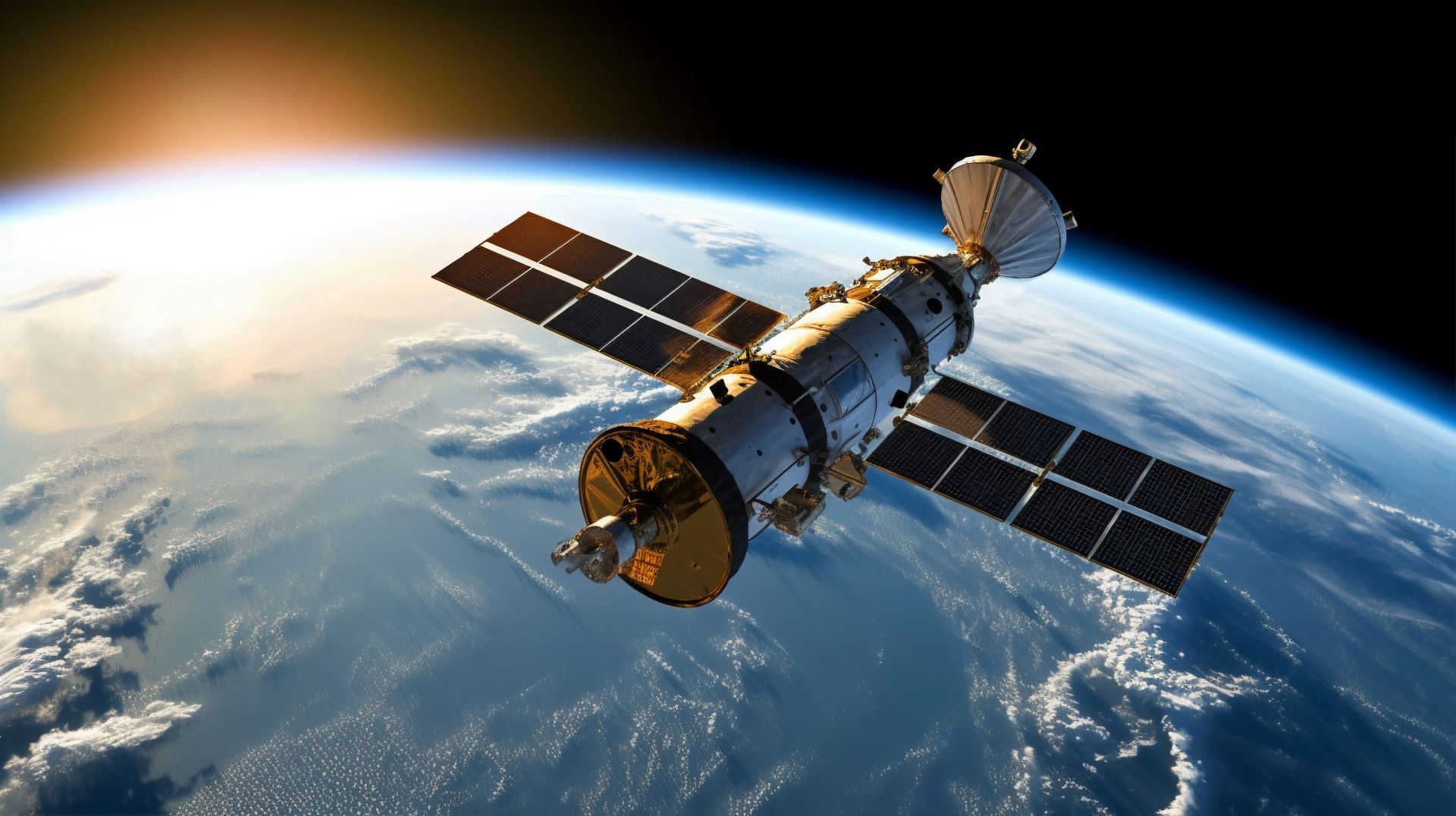
In aerospace applications, cable assemblies must perform flawlessly in the vacuum of space and during extreme launch/reentry phases. This means handling temperature ranges from -250°F to over 400°F.
Meritec designs aerospace cable assemblies with:
- PTFE or PEEK insulation for extreme heat resistance
- Lightweight shielding to minimize mass
- Space-rated connectors with vibration and thermal cycling tolerance
- Redundant pathways to ensure signal integrity despite temperature-related stress
These assemblies are used in avionics, satellite communications, payload instruments, and navigation systems critical functions where cable failure is not an option.
Customization for Industry-Specific Requirements
Each industry brings unique temperature challenges. In energy, downhole oil tools must endure both high pressure and extreme heat. In industrial manufacturing, machine vision cables are exposed to high heat from production lines. In defense, cables may cycle from desert heat to sub-freezing transport conditions.
Meritec's custom assemblies account for:
- Multi-temperature operating conditions
- Corrosive or high-humidity environments
- Rapid thermal cycling
- Hybrid combinations of power, signal, and RF pathways
With in-house prototyping, thermal testing, and material science expertise, we deliver assemblies that hold up in the real world.
FAQs: Designing Cable Assemblies for Extreme Temperatures
What materials are best for high-heat cable assemblies?
PTFE, PEEK, FEP, and silicone offer excellent heat resistance, chemical stability, and electrical properties in high-temperature applications.
Can flexible cables work in freezing or cryogenic environments?
Yes. Materials like silicone and polyurethane maintain flexibility at low temperatures. Stranded conductors and cold-flex jackets are also used.
How does temperature affect EMI protection?
Temperature changes can alter shielding effectiveness. Meritec addresses this with high temp rated shielding and connectors designed for thermal cycling.
Are off-the-shelf cables suitable for extreme temperature applications?
Rarely. Customization is typically required to match thermal, mechanical, and electrical demands for harsh environments.
Can Meritec simulate temperature performance before full production?
Yes. We conduct lab-based thermal cycling, cryogenic testing, and long term aging simulations to ensure reliability.
Partner With Meritec for Temperature Resilient Interconnects
If your equipment is expected to perform in the most thermally demanding conditions, your cable assemblies must do the same. Meritec provides engineered interconnect solutions that stay reliable when the heat rises or temperatures plunge. We work with you from concept to production, offering application-specific design, ruggedized components, and data-backed validation.
Our goal: assemblies that keep you connected no matter the temperature extremes.