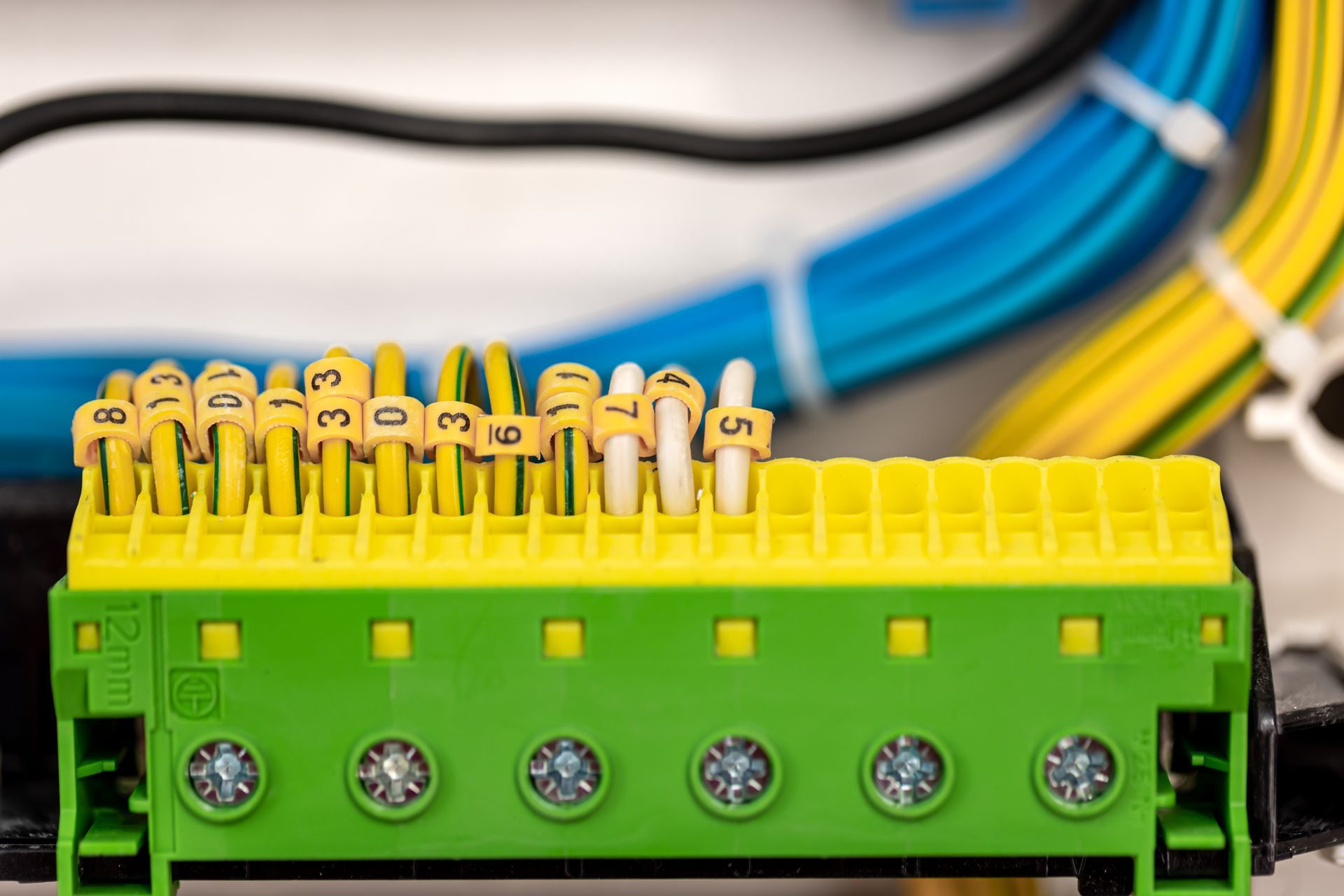
THE ROLE OF BOARD TO BOARD CONNECTORS IN RUGGED SYSTEMS
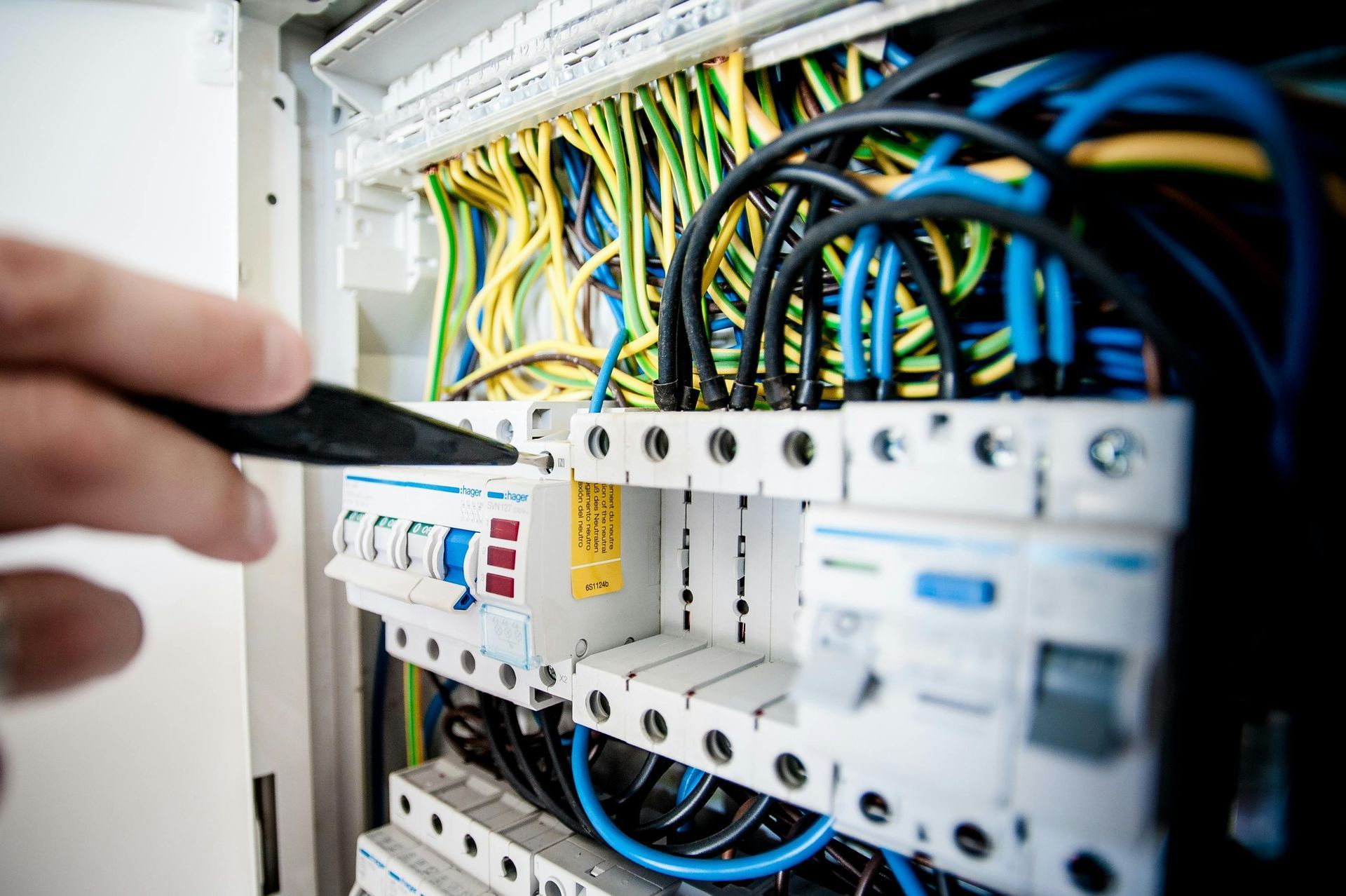
As embedded and modular systems grow more powerful and compact, the need for reliable board to board interconnects becomes increasingly vital. In rugged applications such as military systems, industrial automation, and aerospace platforms, board to board connectors serve as the lifeline between critical PCBs, ensuring signal integrity and mechanical reliability even under extreme conditions.
This article explores how board-to-board connectors function in ruggedized environments, the design considerations that matter most, and why connector innovation is essential to embedded system performance.
What Are Board to Board Connectors?
Board to board connectors allow two or more printed circuit boards to communicate electrically within a single enclosure or assembly. These connectors create high density interconnects for data, power, or signal transmission and eliminate the need for cable assemblies in tight spaces. Depending on the system architecture, these connectors may support parallel, perpendicular, or coplanar configurations.
In rugged systems, these interconnects must deliver high speed signal transmission while enduring shock, vibration, thermal cycling, and other stresses not seen in commercial-grade electronics.
Mechanical Challenges in Rugged Environments
Connectors in rugged systems must endure significant mechanical stress. Repeated vibration from mobile vehicles or rotating equipment can loosen poorly designed mating interfaces, while thermal expansion and contraction can affect contact resistance.
A rugged board-to-board solution must maintain
tight mechanical engagement through prolonged vibration and shock exposure. It must also tolerate
wide temperature ranges and maintain stability despite thermal cycling. Features such as
positive latching mechanisms, reinforced housing, and corrosion-resistant contact materials help ensure stable performance in the most demanding conditions.
Electrical Performance and Signal Integrity
Modern rugged systems often transmit high speed digital data alongside analog signals and power. These board to board connectors must minimize insertion loss, EMI, and crosstalk, particularly in tightly packed assemblies. Controlled impedance is critical for differential signal pairs, and internal shielding or grounding can support EMI management.
The layout of signal paths, pin alignment, and board spacing all affect signal quality. Tight engineering collaboration ensures that electrical and mechanical tolerances align to maintain performance even under load.
Connector Types for Rugged Applications
Depending on orientation, space constraints, and reliability needs, several connector types are commonly used:
- Mezzanine connectors for vertical stacking
- Edge card connectors for modular board access
- Floating connectors to offset misalignment and absorb vibration
- Micro pitch connectors for dense, compact layouts
Each connector type supports specific structural and electrical roles. For instance, floating connectors are often preferred in mobile systems that experience frequent shock and motion.
Material and Plating Considerations
Material selection directly affects performance in rugged environments. Beryllium copper with gold over nickel plating offers excellent conductivity and corrosion resistance. Liquid crystal polymer (LCP) provides insulation that holds up under thermal stress and chemical exposure. Stainless steel adds structural reinforcement in housings or shells.
Gold plating is especially useful in maintaining low contact resistance and avoiding oxidation over thousands of mating cycles. These materials extend service life, reduce failure risk, and support mission critical reliability.
Benefits of Modular Embedded Design
Many rugged embedded systems embrace modular architecture for easier service, scalability, and field upgrades. Board-to-board connectors are ideal in this environment, reducing assembly complexity and enabling fast swap-out of modules.
With these interconnects, technicians can replace failed PCBs without dismantling the full system. For industries like defense, aerospace, and robotics, this means reduced downtime, faster deployment, and lower long-term maintenance costs.
Meritec's Role in Rugged Connector Innovation
Meritec offers a comprehensive line of rugged board-to-board interconnects designed specifically for harsh environments. Our connectors are built to resist vibration, endure temperature extremes, and maintain signal fidelity across a range of embedded applications. From high-speed digital to RF and power, Meritec provides tailored solutions in compact, micro-pitch designs.
Our team works closely with OEMs to meet stringent industry standards in defense, aerospace, and industrial automation. With decades of experience and a commitment to engineering precision, Meritec helps clients push performance boundaries in rugged system development.
Table: Key Design Attributes of Board to Board Connectors for Rugged Systems
| Attribute | Importance in Rugged Systems |
|---|---|
| Vibration Resistance | Prevents connector loosening and signal interruption |
| Thermal Stability | Maintains performance through wide temperature swings |
| Signal Integrity | Supports high-speed transmission with minimal interference |
| EMI Shielding | Reduces noise in electrically dense environments |
| Gold Plating | Provides long-term corrosion resistance and conductivity |
| Compact Form Factor | Enables use in modular and space-constrained systems |
Partner With Meritec for Rugged Interconnect Solutions
Board to board connectors are foundational to rugged embedded system performance. With Meritec, you gain access to field-proven interconnect technologies backed by deep engineering support and quality-controlled manufacturing.
Contact Meritec to discuss how our board to board connector solutions can advance your rugged system designs.
FAQ: Board to Board Connectors in Rugged Systems
What are board to board connectors used for?
They electrically connect multiple PCBs within a system, eliminating cables and allowing compact, high density layouts.
Why are rugged connectors important in harsh environments?
They provide secure mechanical and electrical contact even under vibration, shock, and extreme temperatures.
How do board to board connectors affect signal performance?
Signal integrity depends on design factors like controlled impedance, plating, shielding, and connector alignment.
What industries use rugged board to board connectors?
Sectors include military, aerospace, automation, robotics, and transportation anywhere embedded systems face tough conditions.
What makes Meritec's connectors stand out?
Meritec designs and manufactures rugged connectors tailored to high speed and mission critical applications, backed by decades of engineering experience.