WIRE HARNESS ASSEMBLIES VS CABLE ASSEMBLIES: WHAT’S THE DIFFERENCE?
Introduction: Clearing the Confusion in Cabling Solutions
In the world of electrical interconnects, the terms wire harness and cable assembly are often used interchangeably. However, they refer to two distinct products that serve different functions in complex electronic and electromechanical systems. For OEM engineers and system integrators working in military, aerospace, industrial, and medical applications, understanding the difference between the two is essential to selecting the right interconnect for performance, durability, and space constraints.
Meritec designs and manufactures both wire harness assemblies and cable assemblies to serve demanding environments ensuring precise signal routing, shielding, strain relief, and ruggedization. This post explores the differences, applications, and considerations when choosing between wire harnesses and cable assemblies, with emphasis on Meritec’s capabilities across both.
Definitions and Basic Construction
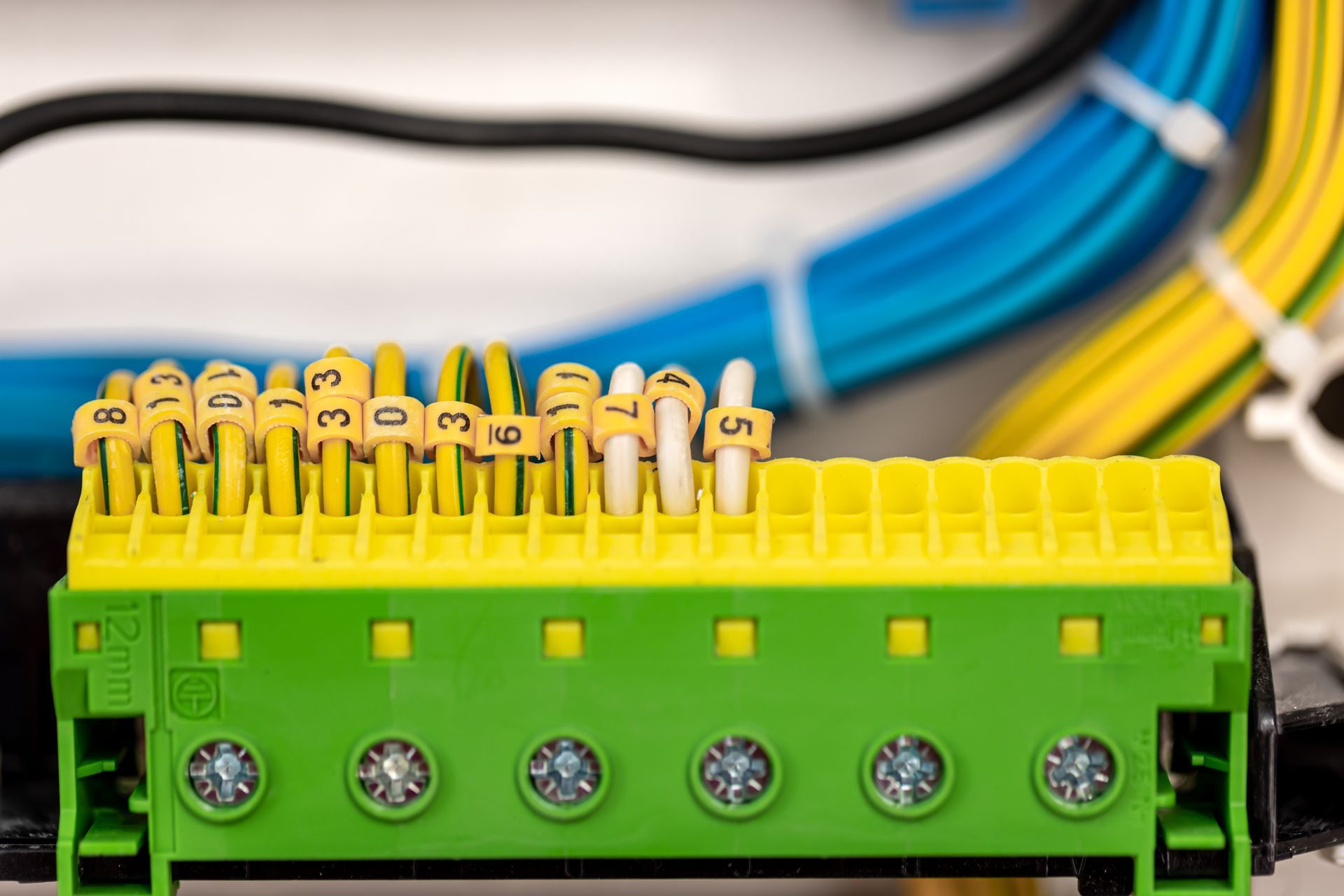
A wire harness is typically a collection of individual wires bundled together with protective sleeving, clamps, or tape, used primarily for internal electrical routing. It provides an organized and simplified layout for wiring systems, especially within enclosed panels or devices.
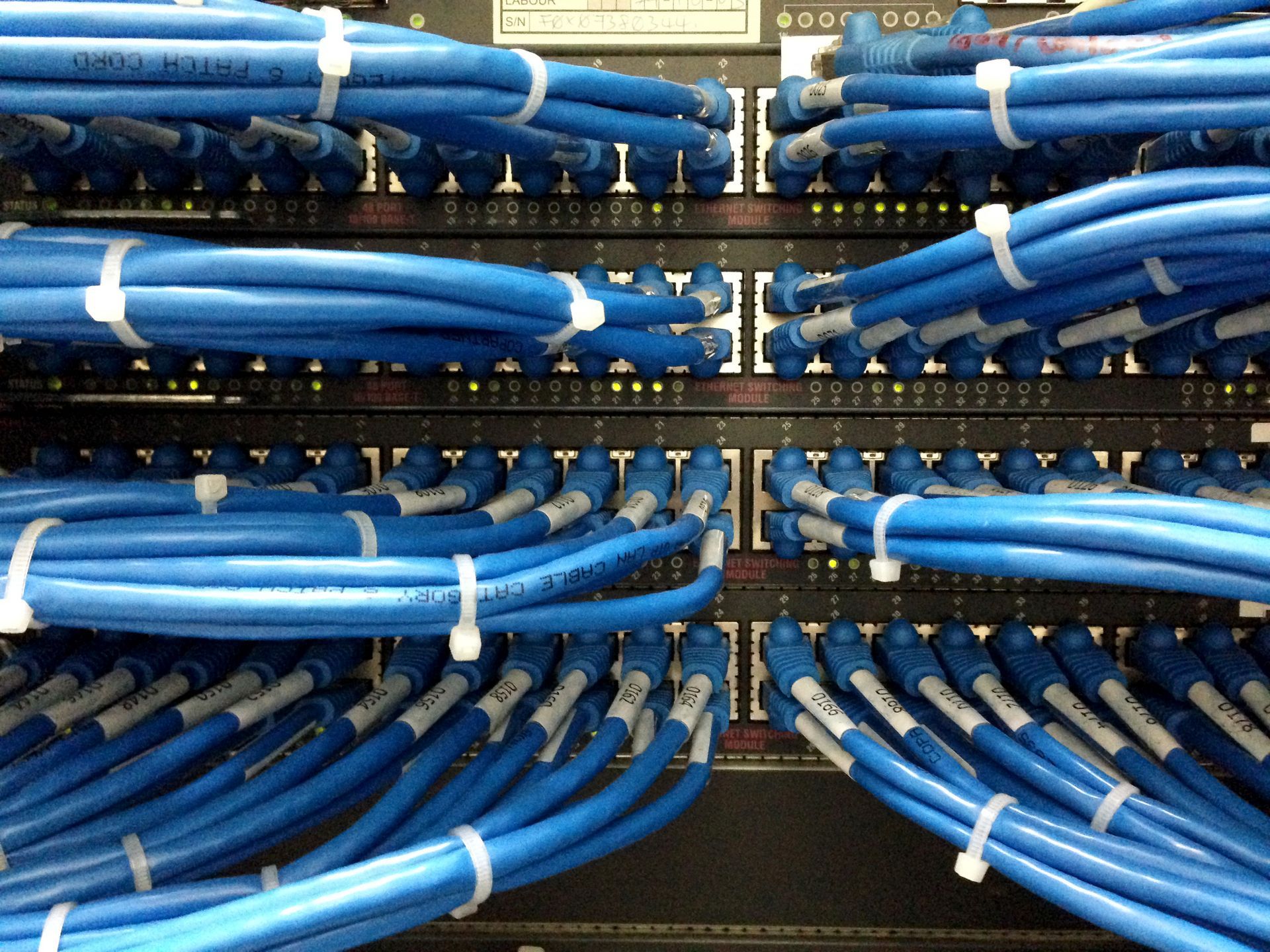
A cable assembly, in contrast, involves multiple insulated conductors—sometimes twisted or shielded—combined within a single external jacket. These assemblies often include shielding, overmolding, and environmental sealing, making them suitable for external use or harsh environments.
Here’s a quick comparison:
| Feature | Wire Harness | Cable Assembly |
|---|---|---|
| Construction | Individual wires grouped with ties/sleeves | Conductors within a single outer jacket |
| Protection Level | Basic abrasion and organization | Higher may include shielding and sealing |
| Application | Inside enclosures or protected areas | External, rugged, or harsh-environment use |
| Flexibility | High, custom lengths and routing | High, but often tailored to rugged criteria |
| Environmental Exposure | Minimal | Moderate to severe |
| Weight/Bulk | Typically lighter and less dense | Heavier due to added protective layers |
Material and Structural Differences
Wire harnesses use discrete wires (solid or stranded) that are often color coded or labeled for circuit tracing. They may include connectors, terminal blocks, and strain relief elements but rarely involve complex shielding or overmolding.
Cable assemblies, on the other hand, are engineered to maintain mechanical and electrical integrity across a range of conditions. Cable jackets may include materials like:
- Thermoplastic Elastomers (TPE) for flexibility
- Polyurethane (PU) for abrasion resistance
- PTFE or FEP for high-temperature stability
- Metal braided shielding or foil wraps for EMI protection
Shielding in cable assemblies also plays a key role in minimizing crosstalk and signal degradation in high-speed data or RF applications a common requirement in aerospace and defense.
Environmental and Regulatory Requirements
For rugged environments such as military ground vehicles, aerospace platforms, or heavy industrial automation, cable assemblies are typically preferred due to their integrated sealing, shielding, and structural integrity. These may be required to meet:
- IP67/IP68 Ratings
- MIL-STD-810 for environmental testing
- UL, CSA, or RoHS compliance
- Vibration, shock, and thermal cycling performance
Wire harnesses, while more economical and space-efficient in enclosed areas, are generally not designed for direct exposure to fluids, dust, or mechanical abuse. They work well in:
- Control cabinets
- Electrical panels
- Robotics enclosures
- Consumer electronics housings
Applications by Industry
Understanding where each solution is best applied helps illustrate their distinct functions:
Aerospace & Defense
- Wire Harness: Routing power and data lines within avionics bays or control units
- Cable Assembly: RF, fiber, or high-speed data cables linking antennas, sensors, and external modules with IP-rated connectors
Industrial Automation
- Wire Harness: Power distribution inside control boxes or operator panels
- Cable Assembly: Robot-to-controller communications, outdoor machine connections
Medical Devices
- Wire Harness: Internal power wiring for diagnostic equipment
- Cable Assembly: Patient-monitor interface cabling, sterilization-resistant wiring
Transportation & Heavy Vehicles
- Wire Harness: Power and lighting circuits inside vehicle dashboards
- Cable Assembly: Sealed assemblies connecting sensors, ECUs, and battery packs
Advantages of Each
Wire Harness Assemblies
- Cost-effective
- Lightweight
- Simplifies internal routing
- Highly customizable
Cable Assemblies
- Enhanced environmental protection
- Higher EMI/RFI shielding
- Integrated strain relief
- Suitable for outdoor or rugged conditions
When to Choose One Over the Other
The decision between a wire harness and a cable assembly depends on:
- Location of Use: External environments demand ruggedized cable assemblies. Internal routing may only need basic harnessing.
- Signal Integrity Requirements: High-speed, RF, or EMI-sensitive circuits benefit from the shielding in cable assemblies.
- Space and Weight Considerations: Harnesses can be lighter, but assemblies can consolidate multiple functions into one streamlined product.
- Serviceability: Harnesses are easier to replace or modify. Cable assemblies offer longer service life in sealed systems.
How Meritec Supports Both
Meritec provides design, prototyping, and volume production for both wire harness assemblies and cable assemblies, with advanced in-house capabilities:
- Custom conductor and shielding configurations
- Overmolded or potted connections
- Ruggedized cable jackets for UV, oil, and chemical resistance
- IP-rated sealing, tested to IP67/IP68 standards
- Shielded and twisted-pair constructions for low-crosstalk designs
- Support for ARINC, MIL-DTL, and VITA standards
All designs are validated for mechanical durability, signal integrity, and compliance to regulatory or customer-specific standards. Whether building harnesses for enclosed systems or robust cables for military equipment, Meritec ensures consistency, traceability, and repeatability across production runs.
Future Trends and Design Integration
As industries continue moving toward miniaturization, increased bandwidth, and smart systems integration, cable assemblies are becoming more essential in hybrid or modular designs. However, wire harnesses will still play a vital role in systems where modularity, internal routing, and weight reduction remain priorities.
Meritec continues to innovate in both categories, with hybrid solutions that blend the flexibility of harnesses and the performance characteristics of cable assemblies. These solutions allow for:
- Reduced connector count
- Improved airflow in compact enclosures
- Enhanced ruggedness without compromising space
Conclusion: Making the Right Interconnect Choice
Understanding the difference between wire harness and cable assembly solutions helps design teams make smarter, more cost effective, and reliable interconnect decisions. Each offers distinct advantages, and both remain indispensable in modern electronic systems.
Meritec’s expertise across both product types—combined with advanced materials, shielding, and environmental protection capabilities positions us as a trusted partner for mission-critical applications in defense, aerospace, and industrial sectors.
Need help deciding between a wire harness or cable assembly for your application?
Contact Meritec today to discuss your system requirements with our engineering team. From concept to production, we deliver interconnect solutions tailored to your environment, signals, and performance goals.